Understanding the psychological triggers that draw you into gambling
The Allure of Risk and Reward
The thrill of gambling often hinges on the allure of risk and reward. When individuals engage in gambling, they are not just wagering money; they are also seeking an adrenaline rush. The potential for a big win can trigger excitement and a sense of euphoria, drawing people into the experience. This excitement is heightened by the unpredictability of outcomes, as each game presents a unique opportunity for success or failure. Players often find themselves exploring various options online, including online casino australia, to enhance their gaming adventures.
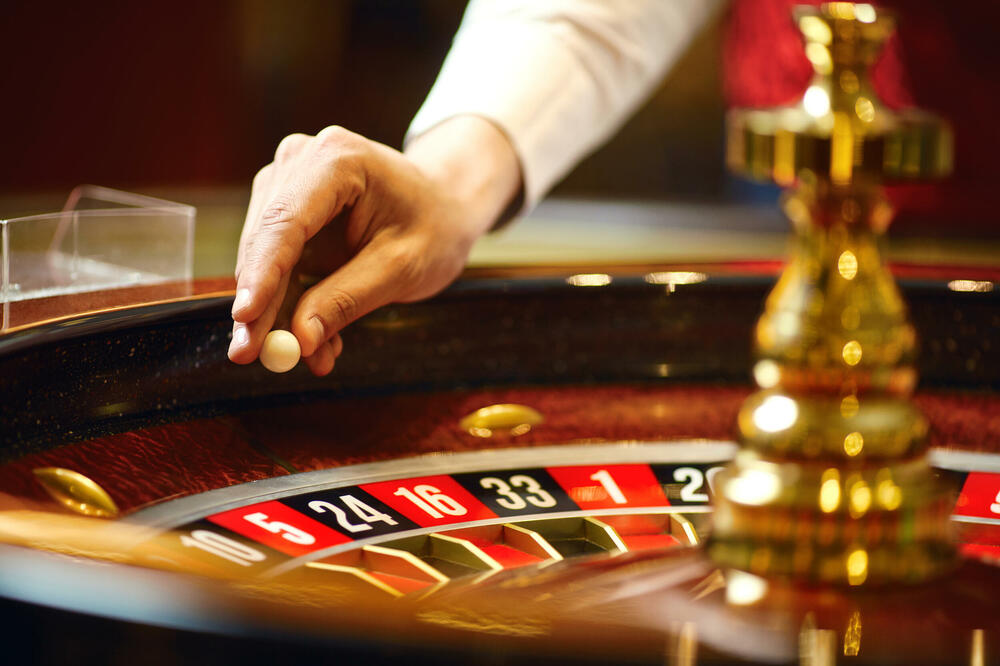
This psychological push-pull creates a compelling environment where players are enticed to keep playing. The risk feels manageable, especially when individuals believe they have some control over the outcomes. The promise of a reward, whether it be financial gain or simply the joy of playing, often overshadows the inherent risks, making it hard for people to walk away.
The Role of Social Influence
Social influence plays a significant role in drawing individuals into gambling. Whether it’s friends discussing their recent winnings or advertisements showcasing luxurious lifestyles linked to gambling, societal pressure can create a compelling desire to participate. Observing others experiencing success can lead to feelings of inadequacy, prompting individuals to gamble in hopes of achieving similar victories.
Moreover, many gambling activities are designed to be social experiences. Casinos and online platforms often incorporate features that allow interaction with others, fostering a sense of community. This social aspect can amplify the urge to gamble, as individuals seek connection and validation from peers, further solidifying their engagement in this activity.
The Impact of Cognitive Biases
Cognitive biases significantly influence how people perceive gambling and its outcomes. For instance, the illusion of control can lead individuals to believe they have more influence over the outcome than they actually do. This belief often encourages continued play, as people feel they are strategically navigating their choices.
Additionally, the availability heuristic—where individuals base their judgments on recent experiences—can perpetuate gambling behavior. If someone recently hears about a big win, they may underestimate the odds and overestimate their chances of winning, prompting further gambling. This flawed reasoning reinforces the cycle of gambling, making it difficult for individuals to recognize the risks involved.
The Influence of Marketing and Media
The marketing strategies surrounding gambling are designed to exploit psychological triggers, making them particularly effective. Advertisements often emphasize excitement and the lifestyle associated with big wins, which can create unrealistic expectations. This portrayal encourages individuals to engage in gambling, believing they, too, can experience such highs.
Additionally, popular media often romanticizes gambling, portraying it as a glamorous and adventurous lifestyle. Movies and television shows frequently feature characters who gamble successfully, reinforcing the idea that gambling is a pathway to wealth and excitement. This cultural narrative can further entice individuals into the gambling world, obscuring the potential consequences.

About Us
At our platform, we strive to provide comprehensive insights into the world of gambling, helping individuals understand the psychological triggers that influence their decisions. Our goal is to promote informed gambling practices, encouraging players to recognize the factors that lead them into this engaging yet risky activity.
By delving into psychological insights and offering educational resources, we aim to empower individuals to make better choices while enjoying their gaming experiences. Our commitment to responsible gambling ensures that players can find enjoyment without falling into the traps that often accompany this thrilling pastime.